Unlocking Nigeria’s Agricultural Potential: Lessons from Mai Shayi Farms
Nigeria can defeat food insecurity and grow agriculture beyond oil. With sound policies and discipline, farms like Mai Shayi prove value-chain investment can create jobs and increase exports

Unlocking Nigeria’s Agricultural Potential: Lessons from Mai Shayi Farms
I have continued to reiterate that Nigeria can conquer food insecurity and even go further to earn as much—if not more—from agriculture than from oil. Our country has all that can make that happen, the land, the climate, and the human capacity to feed itself and become a major agricultural exporter. What has been lacking is not potential, but properly formulated policies and disciplined implementation.
After visiting the Songhai Farms in Cotonou and seeing firsthand what deliberate planning and integrated farming can achieve, I supported the adaptation of that model at Masdevan Farm in Urum. Today, the farm is doing remarkably well, not only producing food but also training young farmers and demonstrating how agriculture can become a viable engine of growth. With the right investment and policy consistency, agriculture can stimulate industries, create jobs, and transform our economy. Nigeria must act with urgency.
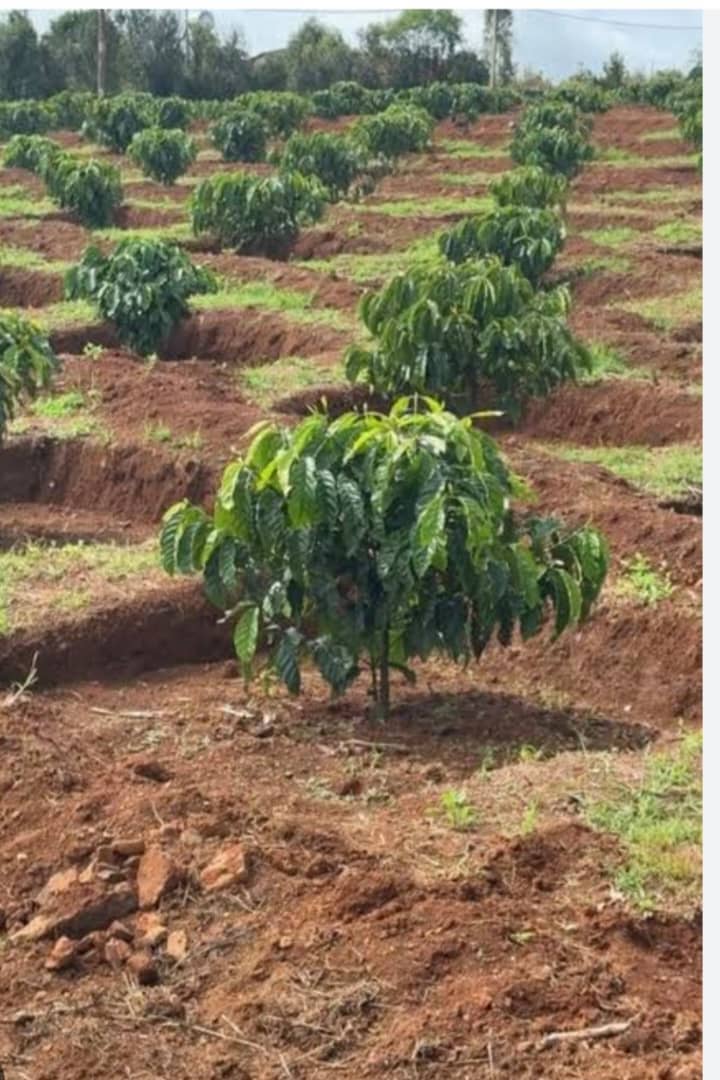
The Mai Shayi Coffee Farm on the Jos Plateau stands as another powerful reminder of what is possible. Built on a 30-hectare Arabica plantation with integrated processing facilities, it shows how agriculture can move beyond subsistence into value-chain production—creating employment, generating export earnings, reducing poverty, and driving rural development. With the right enabling environment, such models can be replicated across the country. I sincerely commend and thank the initiators of the Mai Shayi project for demonstrating what focused agricultural investment can achieve.
A new Nigeria is possible with the right policies—and the will to implement them. -PO